
To mark Windrush Day, Carol Wilson-Frith reflects on her family’s journey from Jamaica to Britain and shares how the legacy of the Windrush generation continue to influence her work.
“Windrush Day lives in our family memories, our creativity and our sense of belonging.”
Carol Wilson-Frith is the founder of Carmen Constantine Interiors an award-winning furniture and accessories design practice which has been featured at Battersea Power Station as part of London Design festival. In 2017 she established The Carmen Constantine Legacy Foundation, in honour of her Jamaican-born parents, Carmen and Constantine Wilson, who came to Britain as part of the Windrush generation.
Carol’s work through the foundation aims to preserve and celebrate Black British and African-Caribbean heritage through storytelling, advocacy and public recognition, ensuring that the contributions of elders and community pioneers are recognised and remembered.
What does Windrush Day mean to you? 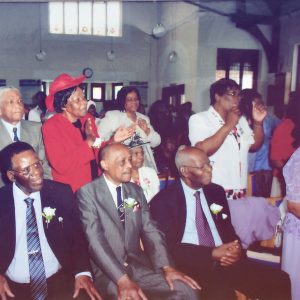
(Photo credit: Carol Wilson Frith)
Windrush Day is deeply personal to me. When the British called on Commonwealth countries in the Caribbean to bring their craftsmanship and help rebuild the nation after the Second World War, my parents made the life-changing decision to leave Jamaica, bring their skills to Britain and create new opportunities for their family.
My father journeyed from Jamaica to Britain by ship, and my mother arrived by British Overseas Airways Corporation (BOAC) with my older siblings Winston, Lorna, Marva and Anthony.
My brother Michael, who is one year older than me, and I were born in the UK and raised in South London. We grew up fully aware of our dual heritage – and we embraced it. We grew up with “back home” stories spoken in a rich blend of Jamaican Patois and English, alongside the foods, memories, laughter and family traditions that carried continuity and home across oceans – fresh ackee, guinep, breadfruit, bammy and so much more.
I was raised within a wider community of Caribbean friends and elders who had arrived in the Britain as young men and women between 1948 and 1971. Many were returning war veterans, while others were skilled workers who had been recruited to help rebuild the country.
They arrived by air, aboard the Empire Windrush and other passenger ships, carrying British passports, hopes, dreams, a spirit of service and a belief in the promise of greater opportunity and a better life for their families.
The stories, values and experiences of the Windrush generation have shaped who I am and continues to inspire my work today. For me, the Windrush legacy lives in our family memories, our creativity and our sense of belonging. Through my business and foundation, I aim to honour that legacy by preserving stories, celebrating contributions and ensuring future generations understand the impact the Windrush generation has had on Britain.
My work at the foundation is about turning lived experience, family memory and community history into legacies that inspire, educate and connect generations. It’s not just about preserving history; it is about dignity, family pride, community, healing and ensuring that elders, pioneers and under-recognised contributors feel during their lifetime. 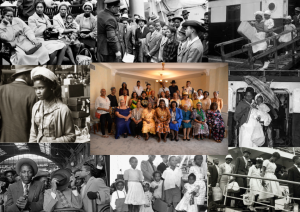
What lessons from your family influence your work?
My mother was a talented designer and dressmaker and my father was a skilled craftsman who in the 1950s later worked as a gold-refining metallurgist at the Royal Mint Refinery in Chessington. Creativity, discipline and pride in your work were values I inherited from both of them. I was also inspired by the elders in my church and community, whose stories of migration, resilience and service taught me the importance of listening, preserving memories and recognising the value of every person’s contribution. I don’t see my heritage work as separate from my design journey; in many ways, it has deepened it.
“For me, the work I do is a labour of love, but it is also a God-given mandate. It is about the human being behind the contribution. It is about dignity, advocacy, memory, family, legacy and ensuring that our elders are not only remembered after they are gone, but seen, celebrated and publicly affirmed in their lifetime.”
Carol has been nominated for the MBCC Community Unsung Hero Awards, 2026. Voting closes on July 1st. Find out more and cast your vote click here
The Carmen Constantine Legacy Foundation